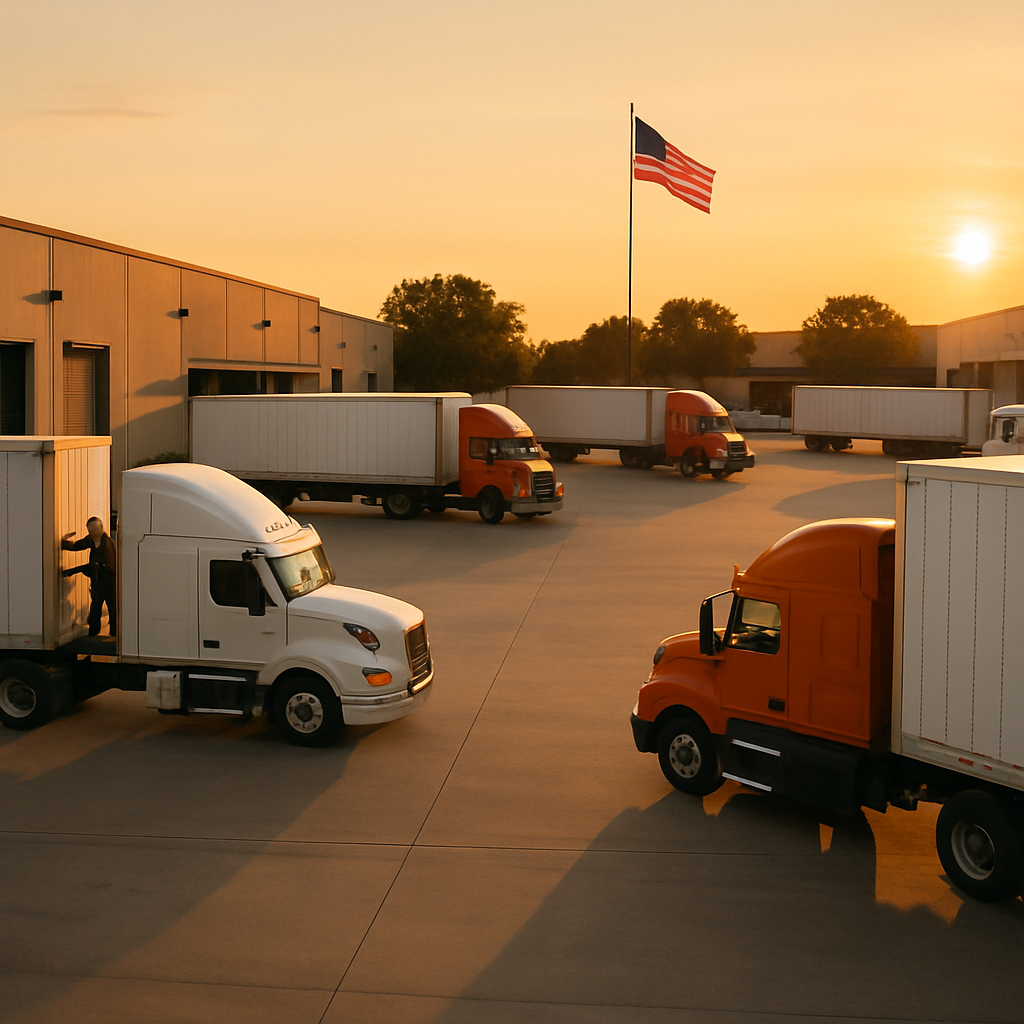
Best States to Start a Trucking Company — Tax, Insurance, and Regulations
Starting a trucking company involves numerous considerations, from choosing the right business structure to complying with various federal and state regulations. One of the most critical decisions is selecting the best state to base your operations. Factors such as state taxes, insurance requirements, and regulatory environments can greatly impact your business's profitability and ease of operation. This article delves into these factors, offering insights into the best states to start a trucking company.
Key Factors When Choosing a State
Before diving into specific states, it's important to understand the key factors that should influence your decision:
- State Taxes: Income tax, corporate tax, and sales tax rates can significantly affect your bottom line. Some states offer tax incentives to trucking companies, which can be beneficial.
- Insurance Requirements: Insurance premiums can vary greatly between states due to different regulations and market conditions.
- Regulations: Each state has its own set of trucking regulations that may be more or less stringent than federal regulations, such as those outlined in 49 CFR parts.
"Choosing the right state for your trucking company can mean the difference between thriving and merely surviving in the industry."
Top States for Starting a Trucking Company
1. Texas
Texas is often cited as one of the best states to start a trucking company for several reasons:
- No State Income Tax: Texas does not have a state income tax, which can lead to significant savings.
- Thriving Economic Environment: As a hub for various industries, Texas offers ample freight opportunities.
- Regulatory Climate: Texas has a favorable regulatory environment for trucking, aligning closely with federal regulations, making compliance straightforward.
Additionally, Texas's central location makes it a strategic base for reaching a wide range of destinations across the United States.
2. Florida
Florida is another state that offers attractive conditions for trucking companies:
- No State Income Tax: Like Texas, Florida does not levy a state income tax.
- Growing Population and Economy: This growth translates to increased demand for goods and, consequently, trucking services.
- Insurance Costs: While Florida can have higher insurance rates, the lack of income tax often offsets these costs.
Moreover, Florida's ports provide significant opportunities for trucking companies involved in import and export activities.
3. Indiana
Indiana is known for its logistical advantages and business-friendly environment:
- Central Location: Indiana's location provides easy access to major markets, reducing transit times and fuel costs.
- Competitive Insurance Rates: The state generally offers lower insurance premiums compared to others.
- Regulatory Support: Indiana supports trucking businesses through initiatives aimed at reducing regulatory burdens.
Indiana’s infrastructure is well-developed, ensuring smooth operations for trucking companies.
Regulatory Considerations
Understanding the regulatory landscape is crucial for compliance and efficient operations. Federal regulations, like those in 49 CFR parts 390-399, set the baseline for safety and operational standards. However, states can impose additional rules:
- Weight Limits: State-specific weight limits can affect load planning and routing.
- Permitting: States may have unique permitting requirements for oversized or overweight loads.
- Environmental Regulations: States like California have stringent emissions standards that could impact equipment choices.
VAU0 LLC's platform can be an invaluable tool here, providing compliance management features that help you navigate both state and federal regulations effortlessly.
Insurance Considerations
Insurance is a significant cost factor for trucking companies and varies by state. Factors influencing insurance costs include:
- Accident Rates: States with higher accident rates typically have higher insurance premiums.
- Litigation Climate: States known for litigious environments can also see increased insurance costs.
- Minimum Coverage Requirements: Each state has specific minimum insurance coverage requirements for trucking companies.
When evaluating insurance options, consider using VAU0's all-in-one platform to manage documentation and streamline the insurance procurement process.
Practical Takeaway
Choosing the best state to start a trucking company involves analyzing various factors, including taxes, insurance, and regulatory environments. States like Texas, Florida, and Indiana offer distinct advantages that can benefit your trucking business. It's essential to conduct thorough research and leverage tools like VAU0 LLC's platform to manage compliance, dispatching, and other operational aspects seamlessly. By making informed choices, you can position your trucking company for long-term success in a competitive industry.