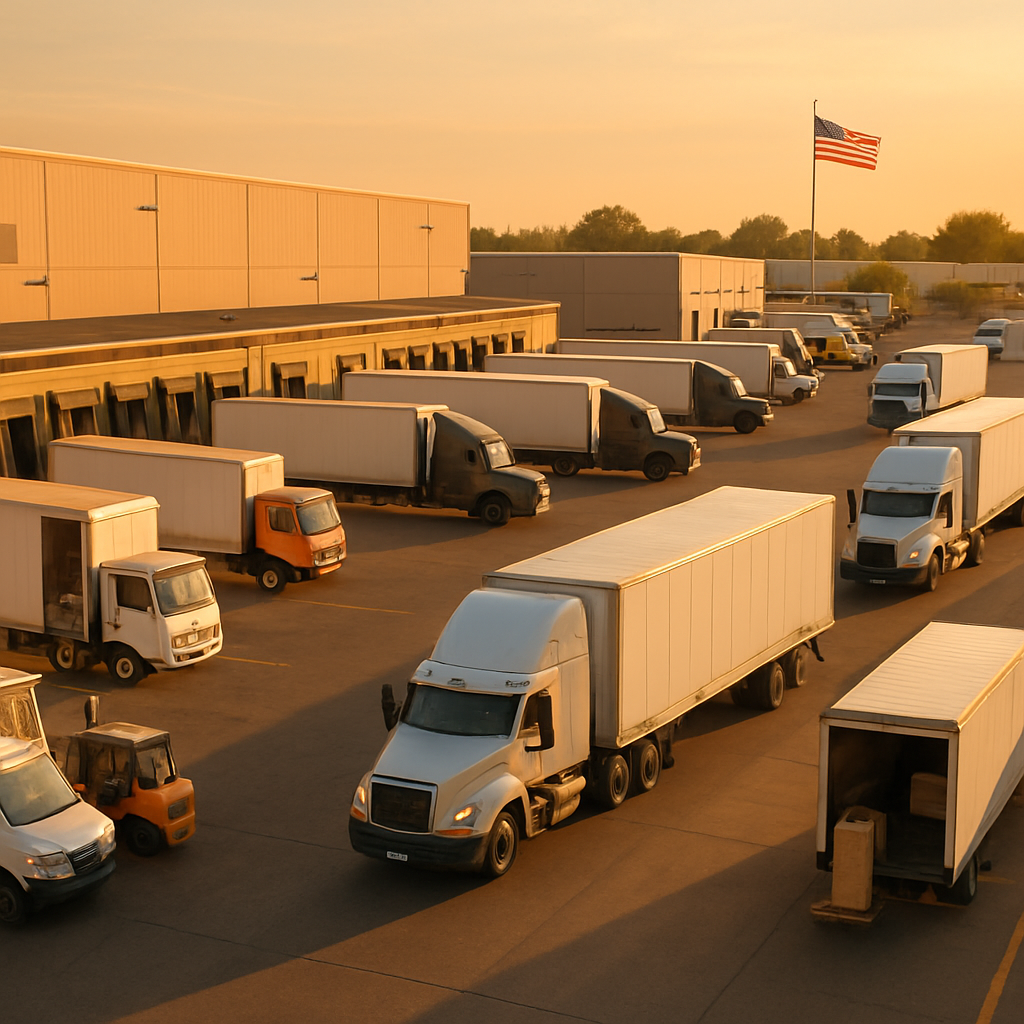
Tarp Pay in Flatbed Trucking — Understanding the Basics
Flatbed trucking is a vital segment of the logistics industry, known for transporting oversized or irregularly shaped loads that cannot be contained within the confines of a traditional trailer. Because these loads are exposed to the elements, tarping becomes an essential part of the job, ensuring cargo safety and compliance with various regulations. Tarp pay in flatbed trucking compensates drivers for the additional labor and time required to cover and secure these loads.
Despite its importance, tarp pay can vary significantly across the industry, affected by factors such as geographic location, the complexity of the load, and the policies of individual carriers. Understanding these variables is crucial for truckers, especially owner-operators and fleet managers, aiming to negotiate fair compensation.
Regulations Impacting Tarping in Flatbed Trucking
Tarping is not just about protecting cargo; it's also about adhering to safety standards. According to 49 CFR Part 393, all cargo must be properly secured to prevent it from becoming a hazard on the road. While the regulation does not specifically mandate tarping, it implies that tarps might be necessary to ensure that loose materials do not pose a threat to other road users.
Compliance with these regulations is crucial for avoiding penalties and ensuring safety. Using platforms like VAU0 LLC's comprehensive compliance management tools can help trucking professionals track these requirements efficiently.
Current Tarp Pay Rates in Flatbed Trucking
Tarp pay rates can differ based on several factors, including the type of load, the dimensions of the cargo, and the local market conditions. Typically, tarp pay ranges from $15 to $50 per load, but it can be higher for more complex or hazardous loads.
- Standard Loads: Often receive a base rate of around $15 to $25.
- Oversized Loads: May attract higher rates due to the additional difficulty and time required, often ranging from $30 to $50.
- Hazardous Materials: These require more meticulous handling and may be compensated at a premium rate, sometimes exceeding $50.
Understanding these rates allows drivers to evaluate whether the compensation aligns with the effort and risks involved.
How to Negotiate Tarp Pay Effectively
Negotiating tarp pay requires preparation and an understanding of your value within the logistics chain. Here are some strategies that can help:
- Research the Market: Stay informed about average tarp pay rates in your region. Platforms like VAU0 LLC offer data-driven insights that can help you gauge competitive rates.
- Highlight Your Experience: Experienced drivers can command higher rates. Make sure to communicate your expertise and any specialized skills.
- Document Your Efforts: Keep records of your tarping tasks, including time and materials used. This documentation can support your case during negotiations.
- Leverage Technology: Utilize tools like VAU0 LLC's AI dispatching to streamline your scheduling, allowing you to focus on negotiating better rates for your services.
Building a reputation for reliability and quality can also strengthen your bargaining position. Demonstrating that you consistently meet or exceed safety and compliance standards can make you indispensable to your clients.
Key Insight on Tarp Pay Negotiation
"Effective negotiation for tarp pay hinges on understanding market trends and leveraging your unique skills and experience to justify higher compensation."
Practical Tips for Managing Tarping Tasks
While negotiating better tarp pay is important, managing the tarping process efficiently can also enhance your productivity and profitability. Consider the following tips:
- Invest in Quality Equipment: Durable tarps and securement tools reduce costs in the long run by minimizing replacements and repairs.
- Enhance Your Skills: Regular training on the latest tarping techniques can improve your efficiency and safety.
- Schedule Wisely: Plan your routes to minimize unnecessary tarping tasks. VAU0 LLC's AI-driven dispatching can help optimize your scheduling for better efficiency.
These strategies not only improve tarping efficiency but also contribute to a safer working environment.
A Practical Takeaway for Trucking Professionals
Tarp pay in flatbed trucking is a crucial aspect of compensation that requires both strategic negotiation and effective task management. By understanding industry rates and leveraging technology like VAU0 LLC's all-in-one platform, trucking professionals can ensure they are fairly compensated for their efforts while maintaining compliance with industry regulations. Stay informed, be prepared, and use the right tools to enhance both your negotiating power and your operational efficiency.
```