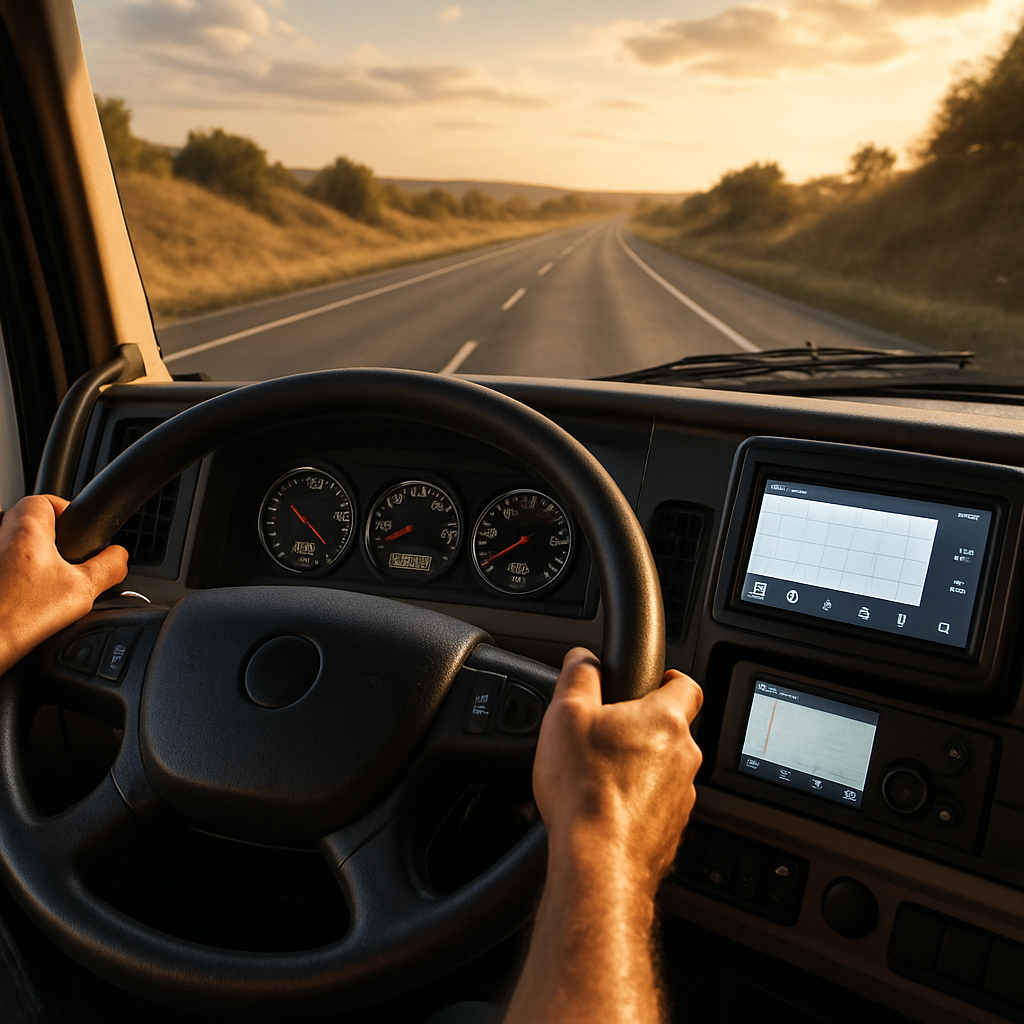
Why Meal Prep Matters for Truck Drivers
For truck drivers, long hours on the road can make maintaining a healthy diet challenging. The nature of the job often leads to a reliance on fast food and convenience store snacks, which can negatively impact overall health and energy levels. Meal prepping is an effective way to ensure you have access to nutritious meals, even when you're miles away from the nearest grocery store.
Meal prep for truck drivers involves planning, preparing, and packaging meals in advance, allowing you to eat healthier even when you're on the go. This practice can lead to better energy levels, improved focus, and overall well-being, crucial for long-haul drivers who spend extensive hours on the road.
Benefits of Meal Prep for Truck Drivers
- Healthier Eating Habits: Prepping meals allows you to control portion sizes and ingredients, promoting a balanced diet.
- Cost Savings: Preparing meals in bulk can significantly reduce food costs compared to eating out.
- Time Efficiency: Having meals ready can save time during rest breaks, allowing for more efficient use of driving hours.
- Compliance with HOS Regulations: Meal prep helps drivers better manage their time, aligning with Hours of Service (HOS) regulations under 49 CFR Part 395.
Meal prepping empowers truck drivers to prioritize health and efficiency, transforming meal times from a logistical challenge into a nourishing break.
Essential Equipment for Truck Driver Meal Prep
Before diving into meal prep, it’s essential to equip your truck with the right tools. Here’s a list of must-have items:
- Portable Refrigerator: Keeps perishable items fresh, allowing you to store meals for several days.
- Electric Cooler: An alternative to a refrigerator, useful for keeping drinks and snacks cold.
- Slow Cooker or Instant Pot: Ideal for cooking meals overnight or during long hauls.
- Microwave: Convenient for reheating pre-cooked meals.
- Storage Containers: Essential for portioning meals and preventing spills.
Easy Meal Prep Ideas for Truck Drivers
Breakfast Options
Starting your day with a hearty breakfast is crucial for maintaining energy levels. Consider these easy-to-prep options:
- Overnight Oats: Mix oats with milk or yogurt and add fruits or nuts for a nutritious start.
- Breakfast Burritos: Prepare tortillas filled with scrambled eggs, cheese, and vegetables. Freeze and reheat as needed.
- Homemade Muffins: Bake in advance and store them for a quick, sweet breakfast option.
Lunch and Dinner Ideas
Prepare lunches and dinners that are both filling and easy to store:
- Grilled Chicken and Vegetables: Cook chicken breasts and a medley of vegetables in a slow cooker. Pair with brown rice or quinoa.
- Chili or Stew: Batch-cook these hearty meals in an Instant Pot. They freeze well and are easy to reheat.
- Wraps and Sandwiches: Pre-make wraps with lean proteins and veggies. They are easy to eat on the go.
Snacks and Extras
Keep a variety of snacks on hand to curb hunger between meals:
- Trail Mix: Customize your mix with nuts, seeds, and dried fruit.
- Fresh Fruit: Apples, bananas, and oranges are portable and require no refrigeration.
- Yogurt Cups: Opt for low-sugar options for a quick protein boost.
How VAU0 LLC Supports Truck Drivers
VAU0 LLC offers a comprehensive platform that can assist truck drivers in integrating meal prep into their routines. With features like AI dispatching and compliance management, drivers can optimize their schedules, making it easier to allocate time for meal preparation and breaks.
Additionally, the AI call center feature can help with quick access to support and information, ensuring that drivers have all the resources they need on the road. The ERETH ELD and TMS capabilities of VAU0 LLC's platform further ensure compliance with federal regulations, allowing drivers to manage their time effectively.
Regulatory Considerations in Meal Prep
When preparing meals, it's crucial to adhere to health and safety standards. According to the Food Code published by the FDA, maintaining proper food storage temperatures is essential to prevent foodborne illnesses. Ensure your portable refrigerator or cooler functions correctly to comply with these standards.
Furthermore, aligning meal times with HOS regulations under 49 CFR Part 395 helps maintain compliance and ensures adequate rest and nutrition.
Practical Takeaway
Meal prep for truck drivers is a valuable strategy for improving health, saving money, and enhancing efficiency on the road. By investing in the right equipment and planning meals ahead, drivers can enjoy wholesome, home-cooked meals regardless of their location. With tools like VAU0 LLC's platform, drivers can manage their schedules more effectively, ensuring they have the time and resources available for meal preparation. By prioritizing meal prep, trucking professionals can enhance their quality of life and performance on the road.