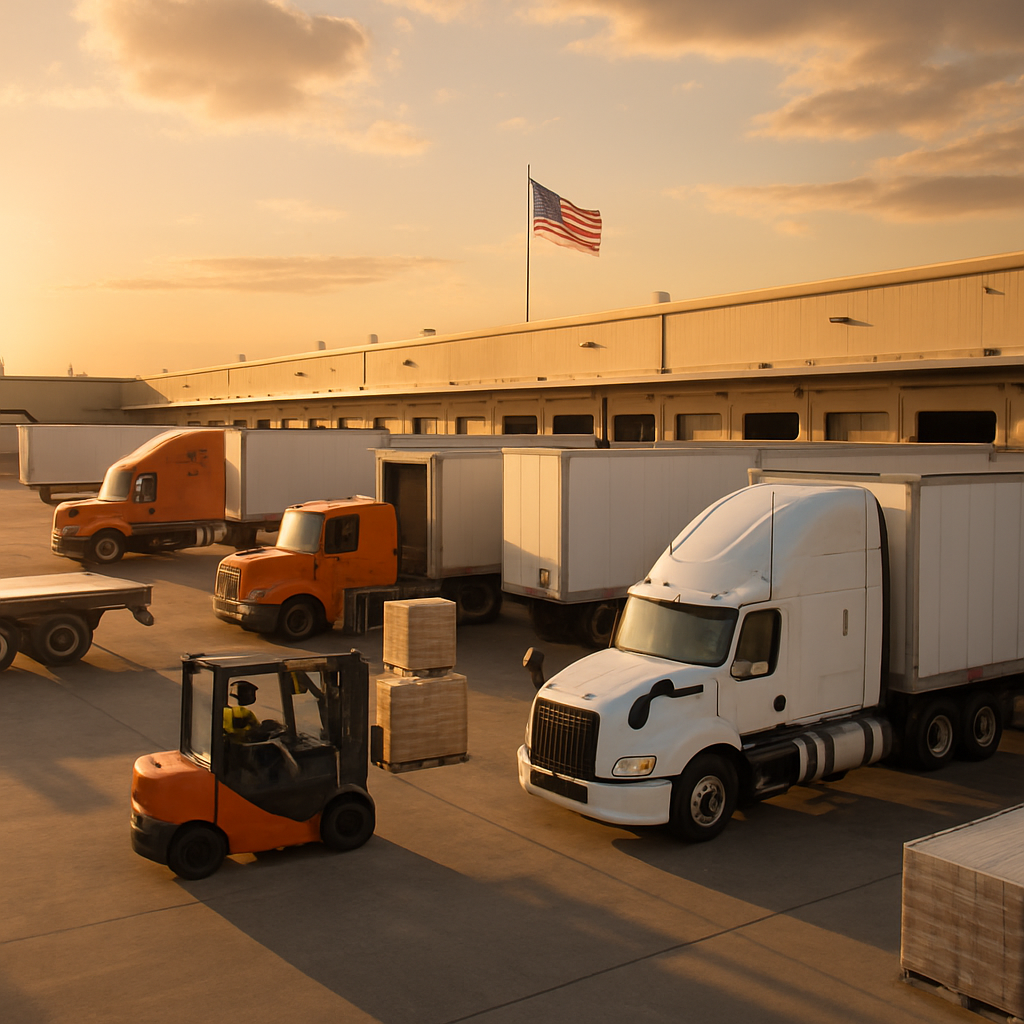
Understanding Trucking Load Planning Optimization
In the competitive trucking industry, optimizing load planning and route management is crucial for small fleets striving to maximize efficiency and profitability. Given the complexity of logistics operations and the myriad of factors influencing them, understanding how to effectively plan and optimize loads can be a game-changer.
Load planning involves organizing cargo in the most efficient manner to maximize space, ensure safety, and comply with weight regulations. Meanwhile, route optimization focuses on determining the most efficient paths for delivery, considering variables like fuel costs, travel time, and traffic conditions.
The Importance of Load Planning
Effective load planning is essential for ensuring safety and compliance with federal regulations. According to 49 CFR Part 393, trucks must adhere to specific weight and size limitations to ensure safe operation on highways. Exceeding these limits can result in fines, increased wear and tear on vehicles, and elevated safety risks.
Proper load planning helps in:
- Maximizing cargo space
- Reducing fuel consumption by minimizing weight distribution issues
- Enhancing safety by preventing load shifts
- Ensuring compliance with regulatory limitations
Route Optimization Techniques
Route optimization is the process of finding the most cost-effective path for transportation while considering multiple constraints. For small fleets, this involves balancing delivery schedules, fuel costs, and vehicle maintenance.
“Smart route optimization not only saves fuel and time but can also significantly enhance customer satisfaction by ensuring timely deliveries.”
Some practical techniques include:
- Utilizing GPS and real-time traffic data to avoid delays
- Planning routes that minimize idling and unnecessary mileage
- Considering tolls and other cost factors in route planning
- Implementing predictive analytics to anticipate and mitigate disruptions
Leveraging Technology for Optimization
Advancements in technology have made it easier for trucking professionals to optimize load planning and routing. For instance, VAU0 LLC offers a comprehensive suite of tools that can aid in these processes. Their platform includes AI dispatching and Rate Con AI, which help small fleets plan more efficiently by analyzing data and predicting optimal routes.
Using ELDs for Compliance and Efficiency
Electronic Logging Devices (ELDs) are essential tools for compliance and efficiency. According to 49 CFR Part 395, ELDs are mandated for certain commercial drivers to ensure compliance with hours-of-service regulations. VAU0 LLC's ERETH ELD, with FMCSA ID ERS238, not only helps maintain compliance but also provides critical data that can improve route planning and load management.
AI and Machine Learning in Route Optimization
AI and machine learning technologies are revolutionizing the trucking industry by providing more accurate and efficient solutions for route planning. These technologies analyze vast amounts of data to predict traffic patterns, weather disruptions, and other variables that can impact delivery times.
VAU0's AI dispatching tool leverages these technologies, enabling small fleets to make data-driven decisions that optimize their operations and improve their bottom line.
Practical Tips for Small Fleets
For small fleets looking to maximize their operations, here are some practical tips:
- Regularly Train Drivers: Ensure that your drivers are trained on the latest technologies and best practices in load planning and route optimization.
- Maintain Flexibility: Be prepared to adapt routes and plans based on real-time data and changing conditions.
- Leverage Technology: Use platforms like VAU0 LLC to take advantage of cutting-edge tools designed to streamline operations.
- Monitor and Analyze: Continuously monitor operations and analyze performance data to identify areas for improvement.
Conclusion
Effective load planning and route optimization are critical components of a successful trucking operation, particularly for small fleets. By understanding the regulations, leveraging technology, and implementing practical strategies, trucking professionals can enhance efficiency, reduce costs, and improve service delivery. Platforms like VAU0 LLC provide the necessary tools to facilitate these processes, ensuring that small fleets can compete effectively in today’s dynamic market.