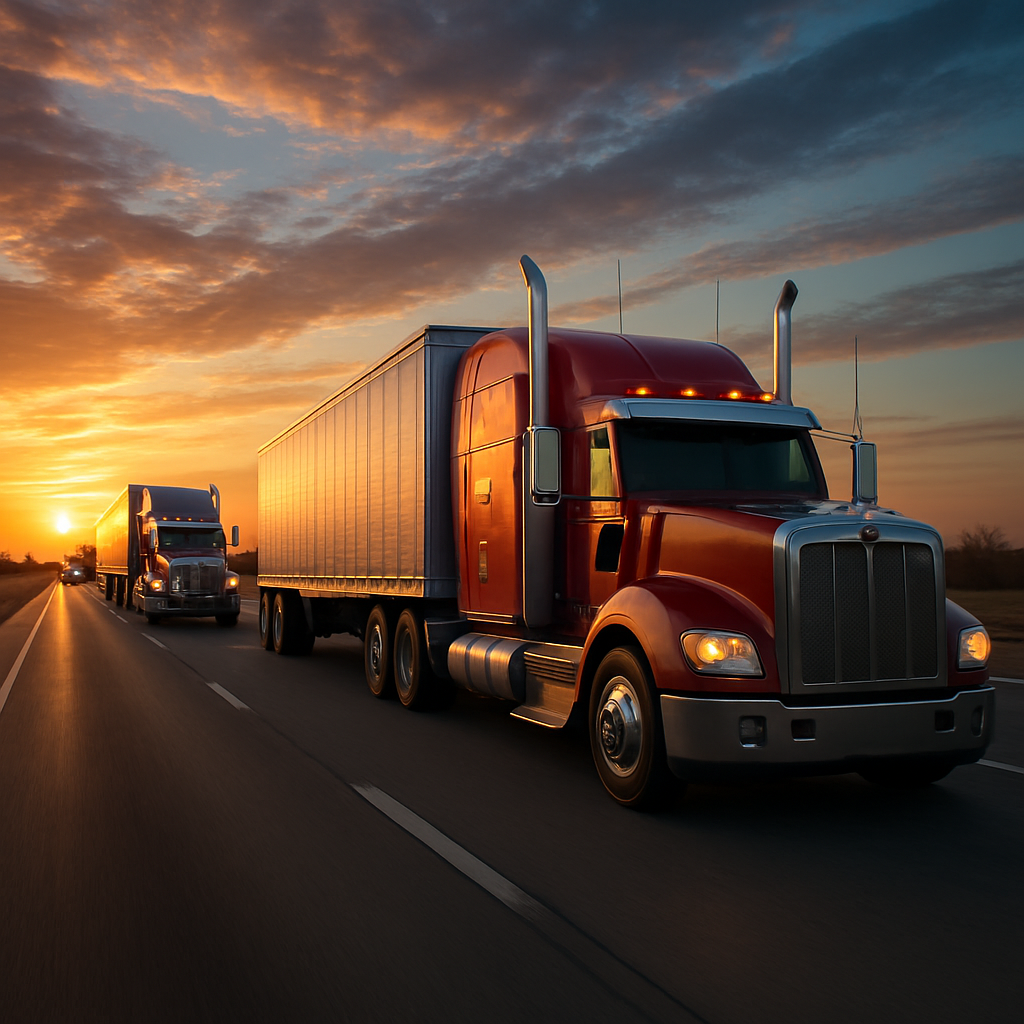
Gordie Howe International Bridge: A Game Changer for Cross-Border Trucking
The recently opened Gordie Howe International Bridge promises to transform the landscape of cross-border trucking between Detroit, Michigan, and Windsor, Ontario. While the old Ambassador Bridge had been a longstanding route for truckers, the new bridge offers modern infrastructure aimed at smoother transitions and alleviating traffic congestion. With dedicated lanes for commercial vehicles, increased toll booths, and advanced customs facilities, the bridge is poised to reduce wait times and promote efficiency.
This new passageway is particularly beneficial for small carriers and owner-operators who frequently navigate this busy corridor. By minimizing wait times, carriers can optimize their schedules and decrease operational costs. The ease of movement between the U.S. and Canada is critical, especially for those running tight supply chain operations. As logistics technology continues to evolve, tools like VAU0's Transportation Management System can be instrumental in planning routes and managing cross-border logistics more efficiently.
"The Gordie Howe Bridge is not just a crossing; it's a strategic asset for cargo movement, bolstering trade between two of the world's largest markets."
Revised EPA Emission Rules: Is It Enough?
The Environmental Protection Agency (EPA) recently unveiled revised truck emission regulations, stirring up a wide range of reactions from industry experts. This latest iteration focuses on reducing NOx and particulate emissions, a move the EPA claims will lead to healthier communities and a more sustainable environment. Despite these claims, many in the trucking community question if these changes adequately tackle the challenges or simply add another layer of regulatory complexity.
For smaller carriers and owner-operators, adapting to these regulations can be particularly burdensome if it means overhauling existing fleets or investing in new technology. It's crucial to stay informed and seek out compliance solutions, such as those offered in VAU0's compliance support services. Ensuring that your fleet meets emissions standards can prevent potential fines and keep your operations running smoothly in an increasingly stringent regulatory environment.
Trucking Industry Reacts to Autonomous Vehicles Rulemaking
The Department of Transportation (DOT) has accelerated its rulemaking agenda for autonomous vehicles, aiming to lay groundwork that encourages innovation while ensuring safety. This shift is noteworthy for those in the trucking industry as it highlights a future where automated vehicles may become integral to logistics operations, affecting everything from driver responsibilities to route management.
For small carriers and independent drivers, the move raises questions about job security and the future of traditional trucking roles. However, this also opens opportunities for those willing to adapt and integrate technology into their business models. Keeping abreast of these regulatory changes will be key, and leveraging modern logistics tech like VAU0's platforms can help streamline operations and enhance profitability in a new era of transport.
FMCSA's English-Language Proficiency Rule Resurgence
The FMCSA has revived its focus on the English-language proficiency rule, emphasizing the need for truck drivers to communicate effectively in English. This regulation is aimed at enhancing safety by ensuring drivers can read road signs, converse with law enforcement, and understand critical documents.
For carriers employing non-native English speakers, this revival underscores the importance of ensuring compliance to avoid potential penalties. Training and resources should be provided to support drivers in meeting these standards, which not only fosters safety but also ensures smooth interactions across state lines. It is recommended for carriers to assess their current policies and training programs to align with FMCSA guidelines.
What Carriers Should Do This Week
- Evaluate current cross-border routes and explore how the Gordie Howe bridge can improve efficiency and reduce costs.
- Review your fleet's emissions compliance and consider upgrading or modifying vehicles to meet EPA's revised standards.
- Stay updated on DOT's autonomous vehicle regulations to understand potential impacts on your operations.
- Ensure drivers meet FMCSA’s English-language guidelines; invest in training programs if necessary.
- Utilize logistics technology, such as VAU0's TMS solutions, to optimize operations and maintain competitiveness in changing landscapes.